

Rust-Free Armor: How Polyurethane Solves the Problem of Maintaining Heavy Armor

Anyone who’s ever cleaned a steel cuirass after a rainy festival knows the feeling. You come home tired, and you still have an hour of sanding and oiling ahead of you — otherwise, rust will appear within a week. That’s where polyurethane armor comes in, as it simply eliminates this problem.
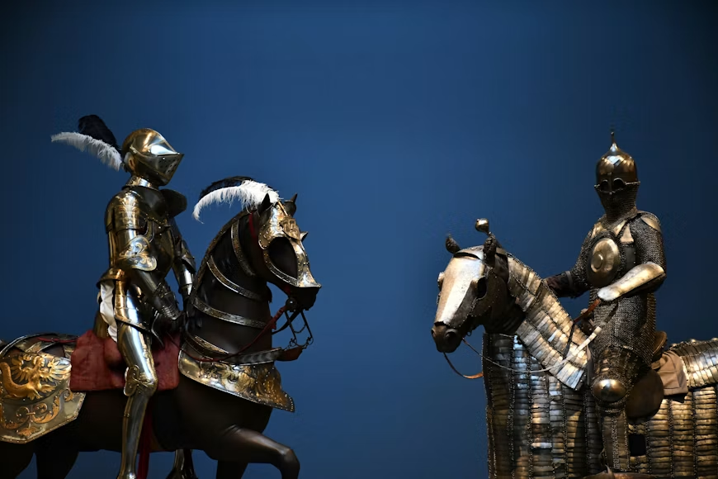
Metal needs constant care and leather gets damaged by moisture, but modern materials let you forget about maintenance and just play. Many LARPers put up with these inconveniences for years, considering them the inevitable price of a realistic look. But the industry has long since moved on. Today, solutions deliver the same visual impact without the daily hassle.
Why Steel Ages Faster Than the Character
Steel armor looks impressive, but it has one weakness: corrosion. Humidity, sweat, and rain at a field festival — all of this slowly erodes metal. Add to this the weight of several kilograms, which by the end of the day becomes a real torture for the back and shoulders.
Many LARPers admit that they spend more time maintaining their armor than preparing the suit itself. And this applies not only to individual players, but also to workshops that service entire NPC teams.
Polyurethane: A Material That Doesn’t Rust or Rot
Fiberglass-reinforced polyurethane resin behaves differently. It doesn’t oxidize, isn’t affected by moisture, and maintains its shape for years without special care. Visually, this armor is in no way inferior to metal. The detail, texture, and aged metal effect come from craftsmanship, not material.
This is the principle behind LARPSHOPKEEPER’s production: digital modeling, silicone molds, and layer-by-layer casting produce a result that looks expensive and lasts a long time. Each element is hand-finished.
What Really Saves Armor Owners Time
Beyond durability, polyurethane offers another unique benefit: low maintenance requirements. After a game, just wipe your armor down with a damp cloth, and you’re good to go — no oiling, polishing, or weatherproofing required. Here’s what an owner of LARPSHOPKEEPER armor says about its maintenance:
– there is no need for oiling after rain;
– there is no risk of rust;
– weight is significantly reduced;
– paint lasts for years;
– repairs take minutes;
– the armor doesn’t deform from impacts;
– storage requires no special conditions.
After this list, it’s clear why more and more workshops are switching to polyurethane casting. This isn’t a temporary trend, but a logical response to real-life problems players face — metal fatigue and constant equipment repairs.
LARPSHOPKEEPER produces both complete kits and individual components. This lets you assemble a character’s look step by step, without spending your budget all at once.
How Production Works Within the Brand
The LARPSHOPKEEPER website offers a detailed guide to the entire armor process — from character concept to final paint job. This transparency is rare in the market, and it helps explain why customers return again and again for new pieces.
Using a single mold allows you to create multiple identical sets. This is useful for teams, guilds, and NPCs in large festivals where visual consistency matters.
Maintaining heavy armor no longer has to be a chore. Polyurethane solves the main problems of steel: weight, rust, and constant repair, while maintaining a realistic fantasy look. LARPSHOPKEEPER offers just that: durable, lightweight, and ready to serve season after season without any hassle.
