


How to Become a Fashion Designer?
Fashion design looks like a creative profession from the outside, and it is, but the designers who build lasting careers are the ones who pair that vision with real technical craft. Knowing how to sketch a silhouette matters far less than knowing how that silhouette will behave once it’s cut, sewn, fitted, and priced for production. The path into the industry is also more structured than most people expect, because hiring decisions are driven by portfolios, technical fluency, and studio experience rather than enthusiasm alone. This guide walks through what designers actually do, the training that prepares you for the job, the steps to follow in order, the skills employers test for, and the career paths that open up once you graduate.
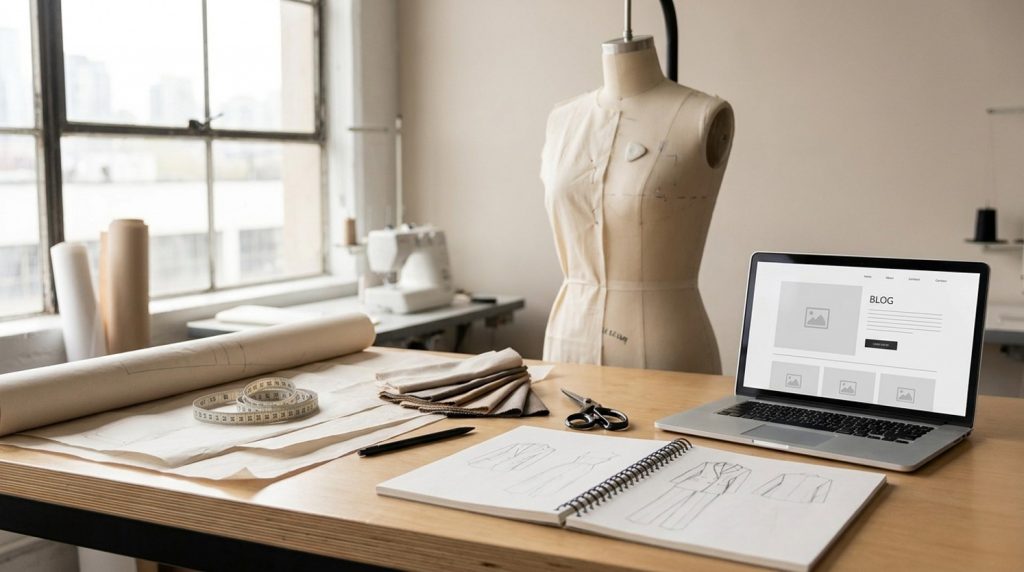
What Does a Fashion Designer Do?
A fashion designer turns a concept into a wearable, manufacturable garment. That means researching a market and a customer, developing a theme, sketching options, selecting fabrics and trims, building or directing patterns, fitting prototypes on a model or a form, and handing off technical specifications to production. The creative part sits at the front of that chain, while most of the working hours sit in the middle, where fit, cost, and construction get resolved.
Breaking into that chain takes structured training, because studios expect a new hire to already speak the language of patterns, fit, and production. Schools like LaSalle College Vancouver run studio-heavy fashion design programs where students draft, drape, and fit real garments before they ever reach a sample room. That kind of preparation shortens the gap between graduating and being trusted with a category of your own.
What Does a Designer’s Typical Week Look Like?
Most weeks combine desk work, studio work, and communication. A designer might spend Monday reviewing sales data or trend research, Tuesday and Wednesday developing sketches and tech packs in Illustrator or CLO 3D, Thursday in a fitting session adjusting a sample with a pattern maker, and Friday chasing fabric suppliers or reviewing production samples for quality. Deadlines cluster around seasonal calendars, so intensity rises sharply in the weeks before a collection is handed to production or shown to buyers. Because of that rhythm, time management ends up being as decisive as talent.
Where Do Fashion Designers Actually Work?
The title covers a wide range of employers. Apparel brands and manufacturers hire in-house designers for specific categories such as outerwear, denim, activewear, kidswear, or intimates. Retailers with private-label lines hire designers to develop product for their own labels. Costume houses, film and television productions, uniform suppliers, and technical apparel companies all need design talent too, and a smaller share of designers run independent labels or freelance across several clients. Each of those routes rewards a different mix of skills, which is why your training choices matter early.
What Education Do You Need to Become a Fashion Designer?
Formal training is the fastest way to build the technical base the industry expects. Programs teach pattern drafting, draping, garment construction, textiles, digital design, and portfolio development in a sequence that would take years to assemble on your own. They also give you deadlines, critiques, and access to industrial equipment, which is where beginners learn to work at professional speed.
Do You Need a Degree to Work in Fashion Design?
No law requires a degree, and self-taught designers do get hired. In practice, though, most entry-level postings ask for a diploma, bachelor’s degree, or equivalent studio experience, because employers use it as a shortcut for confirming you can read a tech pack, draft a pattern, and finish a garment properly. A credential also opens doors that are hard to access alone, including internships, industry mentors, competitions, and graduate fashion shows attended by recruiters. If you skip school, plan to replace those with paid production work and a portfolio strong enough to remove any doubt.
What Should You Look For in a Fashion Design Program?
Judge programs on five practical criteria:
– Studio hours: how much time you spend on machines, forms, and patterns rather than in lectures
– Digital training: whether Illustrator, Photoshop, CLO 3D, or similar tools are taught to a professional standard
– Industry links: internships, live client projects, and instructors who still work in the field
– Portfolio outcome: whether you graduate with a portfolio and a finished collection you can show
– Location: proximity to a garment district, suppliers, and employers where you want to work
A program that scores well on studio hours and portfolio outcome will do more for your first job search than a program with a famous name and little bench time.
How Long Does It Take to Become a Fashion Designer?
Timing depends on the route. A diploma or certificate typically runs 1 to 2 years, a bachelor’s degree runs 3 to 4 years, and short intensive courses can add specific skills in a matter of weeks. Add 1 to 3 years of assistant or associate work after graduation before most designers own a category or a collection outright. Treat the whole ramp as roughly 4 to 7 years from beginner to independent designer, with the portfolio doing more of the work than the calendar.
What Are the Steps to Become a Fashion Designer?
The order of these steps matters, because each one produces the evidence needed for the next.
Build Your Technical Foundation in Sewing and Pattern Making
Start with construction. Learn to operate an industrial machine, sew clean seams and finishes, draft a basic bodice, skirt, and sleeve block, and drape on a dress form. These fundamentals let you diagnose fit problems, which is the single most common task in a real studio and the one that separates a designer from an illustrator. Once you can build a garment from block to finished sample, everything downstream becomes easier to communicate.
Which Digital Tools Should You Learn First?
Adobe Illustrator comes first, since flats and tech packs are drawn there and every studio expects fluency. Photoshop follows for print development, colourways, and presentation boards. Then add 3D garment software such as CLO 3D or Browzwear, which brands increasingly use to fit and revise samples virtually before cutting fabric. Basic spreadsheet skills round out the set, because costing and bills of materials still live in Excel at most companies.
How Do You Build a Portfolio That Gets You Hired?
A hiring portfolio shows process, not just pretty final images. Include 3 to 5 complete projects, each with research and concept, a customer or market definition, developed sketches, fabric and trim selections, technical flats, and photos of the finished garment on a body. Recruiters read for range and for evidence you can solve a brief, so tailor the selection to the category you’re applying for rather than showing everything you’ve ever made. Keep the presentation clean and consistent, and be ready to talk through every decision in an interview.
Why Do Internships Matter More Than Grades?
Internships give you the two things school can’t fully simulate: production reality and professional references. Interns learn how sample rooms run, how vendors respond, how tight cost targets shape design decisions, and how a collection survives contact with a buyer. Employers also treat a completed internship as proof you can function in a studio, which is why many first jobs go to former interns. Aim for at least one placement before graduating, and treat it as a long-form interview.
Which Skills Do Fashion Designers Need to Succeed?
Employers screen for three distinct skill groups, and weakness in any one of them limits how far you advance.
Technical Skills: Draping, Pattern Drafting, and Garment Construction
Technical mastery is the price of entry. You need to draft and correct patterns, drape confidently, understand grading across a size range, specify seam types and finishes, and read or write a complete tech pack. Fabric knowledge belongs here too, since drape, stretch, weight, and shrinkage decide whether a design works in reality. Designers with strong technical skills spend less time waiting on other people and get trusted with harder categories sooner.
Creative Skills: Illustration, Colour, and Trend Forecasting
Creative range is what makes your work distinct once the technique is solid. Sketching, colour theory, print and textile development, and the ability to research a trend and translate it into a commercial product all sit in this group. Forecasting deserves particular attention, because designers work 6 to 18 months ahead of the selling season and must anticipate what a customer will want rather than what’s selling today. The best creative work in this industry stays anchored to a defined customer.
Which Business Skills Do Designers Underestimate?
Costing, communication, and negotiation get overlooked most often. A design that misses its cost target gets cut, so understanding fabric consumption, labour, and margin protects your ideas. Clear communication with pattern makers, sample sewers, suppliers, and buyers keeps a collection on schedule, and it becomes the core of the job as you move toward senior roles. If you plan to launch your own label, add pricing, marketing, and basic accounting to that list.
What Career Paths Open Up After Fashion Design School?
Graduates rarely start with the title “designer,” and that’s normal. The industry ladder usually runs from design assistant to assistant designer, associate designer, designer, senior designer, and then design director or creative director. Parallel paths exist for people who prefer specialization, including pattern maker, technical designer, product developer, textile or print designer, costume designer, stylist, and buyer.
How Much Do Fashion Designers Earn in Canada?
Pay varies widely by city, category, and specialization. Entry-level assistant roles sit at the lower end of the range, mid-level designers earn noticeably more once they own a category, and technical designers and pattern makers often command a premium because those skills are scarce. Rather than relying on secondhand figures, check the current wage data for fashion designers on the Government of Canada Job Bank, which breaks pay down by province and territory. Freelance and independent-label income is far less predictable and depends on your client base.
Which Entry-Level Roles Should You Target First?
Apply broadly across adjacent titles instead of waiting for a junior designer posting. Design assistant, product development assistant, technical design assistant, and sample room roles all put you inside the process, and they teach the operational detail that makes a later design role manageable. Retail private-label teams and mid-size manufacturers hire more often than luxury houses, so they tend to offer faster routes into the industry. Once inside, internal moves are usually easier than external ones.
What to Focus On as You Start Your Fashion Design Career
The designers who progress fastest treat craft, evidence, and relationships as one project. Get your technical foundation solid, learn the digital tools studios actually use, build a portfolio that shows how you think, secure at least one internship, and stay close to the people who hire in your category. Progress in fashion design compounds, so consistent output over several years beats a single strong collection.
Frequently Asked Questions About Becoming a Fashion Designer
Is Fashion Design a Good Career in 2026?
It’s a competitive field, but demand remains steady for designers who combine creative range with technical and digital skills. Growth areas include technical apparel, sustainable product development, and 3D design, where qualified candidates are harder to find. The career suits people who enjoy problem solving under deadlines as much as aesthetics.
Can You Become a Fashion Designer Without Strong Drawing Skills?
Yes. Hand illustration helps you communicate quickly, but most professional communication happens through digital flats and tech packs drawn in Illustrator, where precision matters more than artistry. Many successful designers came through pattern making or draping and design directly in fabric or in 3D software.
What Is the Difference Between Fashion Design and Fashion Marketing?
Fashion design creates the product, covering concept, pattern, fit, and construction. Fashion marketing sells it, covering brand positioning, campaigns, merchandising, and customer strategy. They share the same industry knowledge but reward different skill sets, and some roles such as product development sit between the two.
Do Fashion Designers Need to Know How to Sew?
You don’t have to sew production samples yourself, but you do need to understand construction well enough to specify it and to judge a sample. Designers who can sew diagnose fit and quality issues faster, communicate more precisely with sample rooms, and prototype their own ideas without waiting for help.
