

How Can Direct Mail Printing Personalize Marketing and Boost Engagement?

Postcards, letters, and promotional mailers are used by businesses to provide offers, promote products, and stay in touch with customers. But when all the recipients receive the same message, the mail might not seem relevant or provide people with a reason to reply.
This is where direct mail printing helps. It allows you to customize printed content by using various messages, images, and offerings to specific customer groups. When your mail is relevant to the needs and interests of customers, it can become more helpful and motivate them to act.
Personalization involves more than adding a customer’s name to a postcard. The correct message, design, and offer can each have an impact on how individuals react to your mail. Here are six ways to personalize direct mail, capture attention, and encourage responses.
-Targeted Print Makes Mail More Personal
With direct mail printing, you can create postcards, letters, self-mailers, and custom mailers for different audiences and goals. A certain purpose is assigned to each format, whether it is sharing a quick discount or providing a detailed explanation of a product or service.
As an example, a local store may mail discount postcards to the homes in its locality, and a service company may mail reminders to former customers. You may also customize messages to certain occasions like launching a new product or advertising a seasonal deal before it closes.
The appropriate format assists you in conveying these messages in a clear way. A postcard lets you place an offer right in the spotlight, whereas a letter lets you have more room to describe a service, address frequent questions, or assist customers in deciding what to do.
-Customer Data Makes Messages More Relevant
Customer data lets you match each printed message to a group. Past purchases, location, and service history can show what people may want and help you tailor offers to their needs.
Pet stores could send dog food offers to customers who have bought dog supplies, while home repair companies could share seasonal tips with nearby homeowners. In a 2024 survey of 350 US marketing leaders, quality audience data was named the top advantage of direct mail.
Useful messages can give people a clear reason to pay attention. Keep your records up to date and use personal details with care. Skip anything that may feel too private.
-Personalized Offers and Images Catch Attention
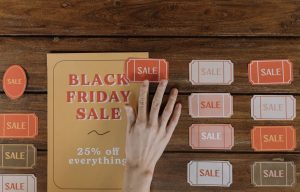
Variable data printing lets you change names, images, and offers on each piece. You don’t have to design every version by hand, even when you send mail to many people.
You could send new customers a welcome offer and give loyal customers a thank-you deal. A clothing store might feature products based on past purchases, while a travel company could share holiday ideas that match a customer’s interests.
Your message can also reflect each person’s relationship with your business. Someone who has never used your service may need a simple introduction, while an existing customer may respond better to a reminder or a special offer for their next purchase.
A clear call to action tells people what to do next. You might invite them to visit a store, book a service, scan a QR code, or use a discount code, depending on your goal.
-Digital Tools Make It Easier to Respond
QR codes and personal web addresses connect printed mail with online experiences. They can take people straight to a product page, booking form, special offer, or web page made for a specific campaign.
A fitness center could mail a postcard with a QR code that opens its class schedule. People can then find the details they need without searching the whole website.
Direct mail can also reach people who visited a website or left items in an online cart. A reminder can bring the offer back to their attention after they have already shown interest.
Keep the message consistent across print and digital channels. Check that QR codes and links work, pages load well on phones, and the next step is clear.
-Clear Designs Make Offers Easier to Notice
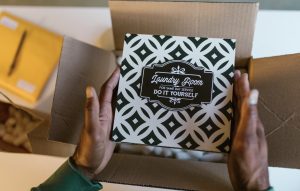
A clear design helps people spot your offer and understand its value. Use a strong headline, readable text, and relevant images to show what you are offering and why it may matter to customers.
The layout should match the goal of your campaign. A short promotion may need a bold headline and one main offer, while a service announcement may require more space to explain key benefits. Short sections or bullet points can help customers find important details without reading every word.
Colors and images can also make your mail more appealing. Choose visuals that fit the message instead of adding decorative elements that distract from it. For instance, a gardening store could feature plants when promoting spring supplies, while a home repair company could show an example of the work it offers.
Paper type, mail size, and print features should support the message, too. A postcard may suit a simple discount, while a folded mailer can provide room for service details. Whatever format you choose, make sure the text is easy to read and the call to action is easy to find.
-Response Data Shows Which Personal Touches Work
Tracking campaign results helps you see whether personalized mail leads to action. Unique offer codes, QR codes, and personal web addresses can link responses to a specific mailing, helping you identify which offers and messages attract the most interest.
Response rate turns those results into a simple measure. If 50 people respond to 1,000 mailers, the response rate is 5%. Comparing results across customer groups can also show which personalized messages connect better with different audiences.
Use these findings to improve future campaigns. For instance, a bold discount may get more responses than a simple reminder, or a local image may work better than a general one. Testing one change at a time makes it easier to see what works and to make better choices for your next mailing.
Bottom Line
Personalized mail can make marketing more effective by matching messages, offers, and designs to customer needs. Direct mail printing helps you tailor printed materials, use customer data carefully, and give people clear reasons to respond.
Digital tools can connect printed mail to online experiences, while campaign tracking helps you see which messages lead to action. You do not need to change everything at once. Start with one goal, create an offer for a specific customer group, and measure the results. Use what you learn to improve your next mailing and make future campaigns more relevant and engaging.
