

How New Lenses for Frames Can Instantly Improve Your Daily Comfort and Vision
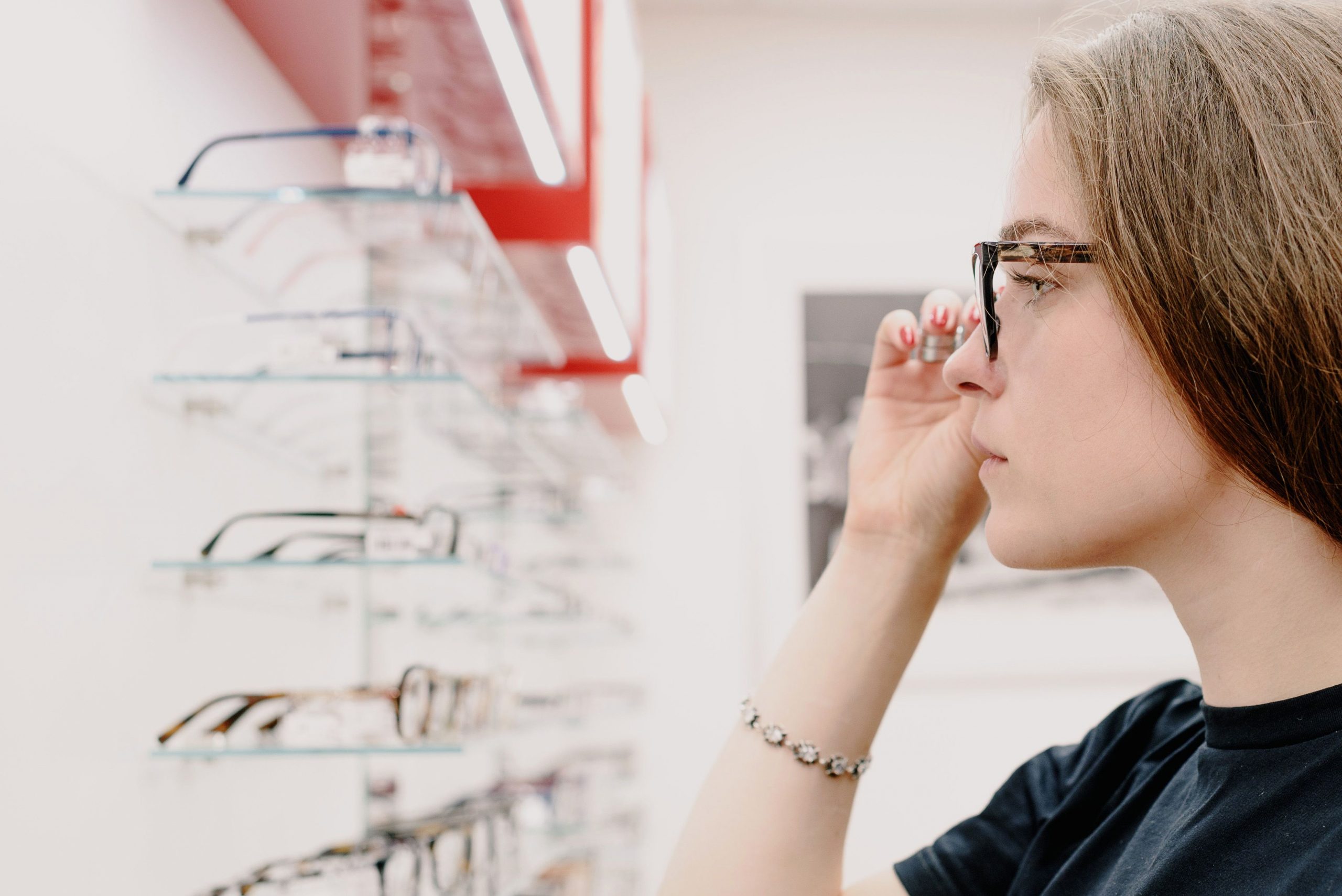
Everyday life asks a lot of our eyes. Between staring at a computer screen, scrolling on a tablet, driving across town, or spending an afternoon outdoors, clear sight shapes how smoothly and safely you move through your day. Even when your eyeglass frames still look and feel great, the process of updating the prescription optics inside your eyewear can quietly fall behind, leaving you with lenses that no longer deliver the sharpness or comfort you actually need.
Swapping in new lenses rather than buying a whole new pair of glasses is frequently a smart, budget-friendly move that can noticeably sharpen your eyesight, cut down on eye fatigue, and make your day-to-day experience more comfortable. If your frames are still in good shape, you can visit here to learn more about lens replacement (re-lensing) and give them a second life without buying a whole new pair.
This guide walks through how updated lenses support stronger vision, the warning signs that suggest it’s time for a change, the newer lens technologies on the market, and simple habits that help protect your eyesight over the long run.
Why Your Lenses Deserve More Attention Than You Give Them
It’s easy to get caught up choosing frames that match your style while forgetting that the lenses are doing the real work. Lenses are responsible for bending light so it lands precisely on the retina, which is what actually lets you see clearly.
As your prescription shifts, or as lenses pick up scratches and general wear, your glasses can stop correcting your vision the way they used to. That decline doesn’t just blur what you see — it can wear on your comfort throughout the day.
Well-made lenses have a direct effect on:
– How sharp your vision appears
– How accurately you perceive color
– Contrast sensitivity
– Comfort during long stretches of visual work
– Protection from UV rays, glare, and other environmental stress on the eyes
Swapping out old lenses can bring back much of that lost visual performance without touching your frames at all.
Signs It Might Be Time for New Lenses
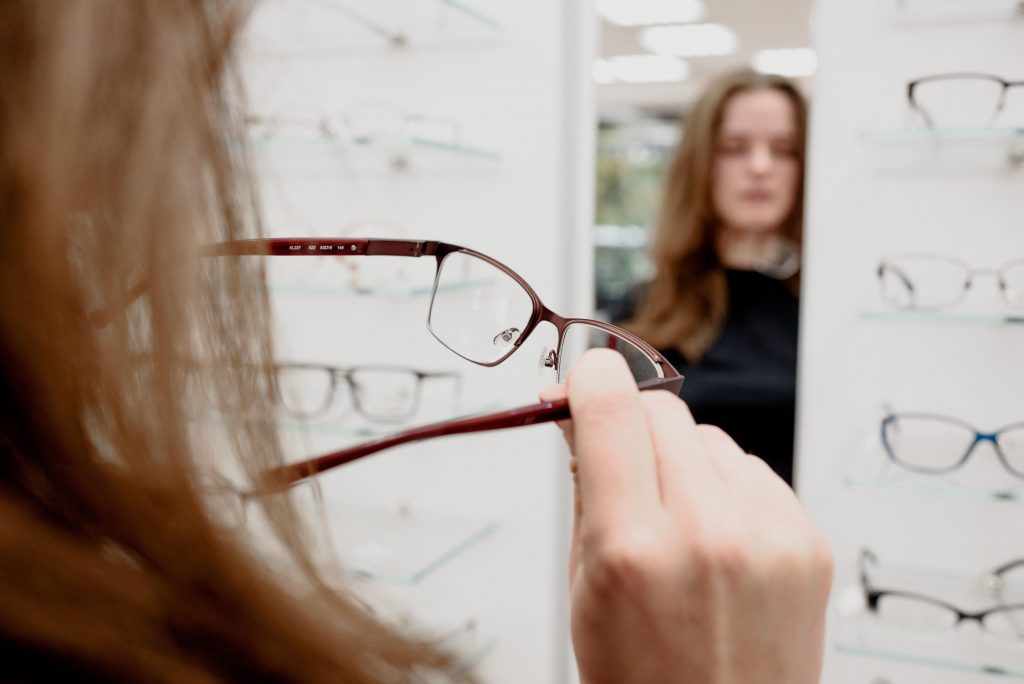
A lot of people hang onto lenses well past the point they should have replaced them. Here are some common red flags worth watching for.
1 – Vision That’s Blurry or Unpredictable
If things look less crisp than they used to, or you keep repositioning your glasses to see better, your prescription may no longer match your eyes.
2 – Headaches That Keep Coming Back
An outdated prescription forces your eyes to strain, and that strain often shows up as recurring headaches, especially after reading or screen time.
3 – Eyes That Tire Out Easily
If your eyes feel worn out after ordinary daily tasks, that fatigue can be a sign your lenses aren’t keeping pace with your visual needs.
4 – Lenses With Scratches or Visible Damage
Even minor scratches scatter light as it passes through the lens, which lowers clarity and makes glare worse.
5 – Trouble Seeing Clearly While Driving at Night
Halos around headlights or unusually strong glare at night often point to worn lenses or a prescription that no longer fits your eyes.
Getting your eyes checked regularly is the most reliable way to find out whether your prescription — and by extension your lenses — needs an update.
How Fresh Lenses Boost Everyday Comfort
Replacing just the lenses, without touching the frames, can noticeably improve daily life in several ways.
Crisper Vision All Day Long
A current prescription lets light focus where it should on the retina, making reading, working, driving, and other everyday activities easier on the eyes.
Even a small prescription adjustment can lead to a surprisingly noticeable gain in visual comfort.
Less Strain From Screens
Most adults now spend hours a day looking at phones, computers, and tablets.
Certain lens designs are built specifically for that kind of near-focus, screen-heavy routine, easing the effort your eyes put in during close work.
No lens will erase digital eye strain entirely, but the right prescription paired with smarter screen habits can meaningfully ease the discomfort.
Eye doctors commonly suggest the 20-20-20 approach:
– Every 20 minutes
– Look at something roughly 20 feet away
– Hold that gaze for at least 20 seconds
This small break gives your eye muscles a chance to relax.
Better Comfort Across Different Lighting Situations
Newer lens coatings are designed to make tricky lighting conditions easier on the eyes.
A few examples:
– Anti-reflective coatings that cut down on glare
– UV protection built in for time outdoors
– Optional blue-light filtering
– Polarized lenses for sunny conditions
These additions can make daily wear more comfortable without changing your actual prescription.
More Comfortable Reading
If reading has started to feel tiring or the text looks fuzzier than it should, an updated reading or progressive lens may bring back comfortable close-up vision.
Today’s progressive lens designs tend to offer:
– Smoother shifts between viewing distances
– A wider field of clear vision
– Less distortion at the edges compared to older designs
Modern Lens Technology Worth Knowing About
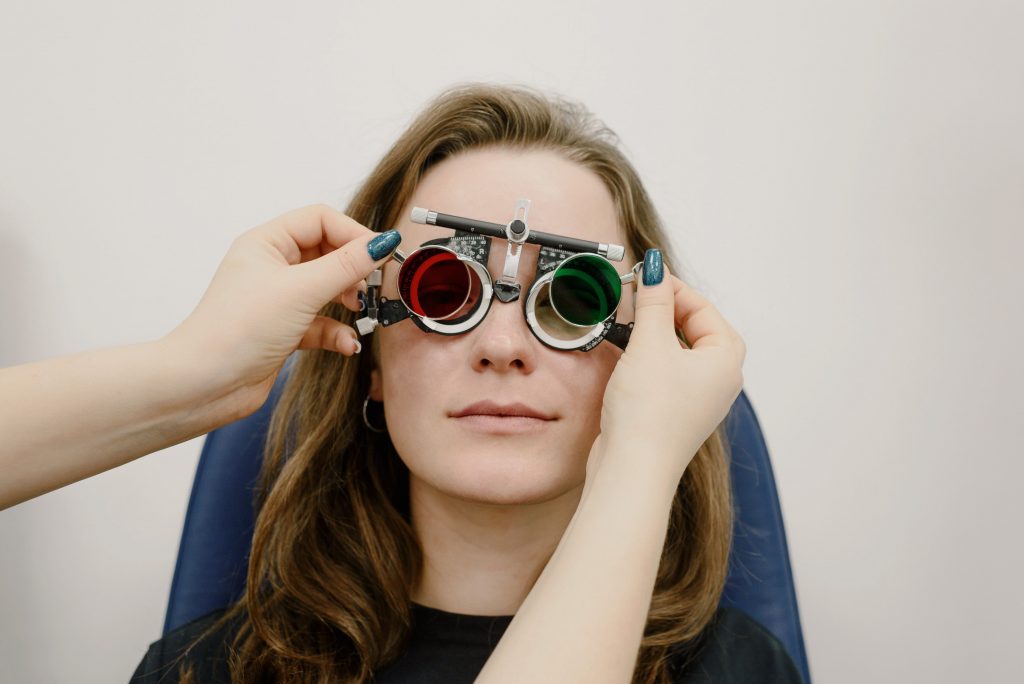
Lens materials and manufacturing have come a long way in recent years.
High-Index Lenses
These are noticeably thinner and lighter than standard plastic lenses, yet they still deliver the same level of correction — a real advantage for stronger prescriptions.
Compared with older lens materials, they make a real difference for people who need higher-power correction.
Progressive Lenses
Rather than juggling separate glasses for different distances, progressive lenses blend multiple prescriptions into a single, line-free lens.
That includes:
– Distance vision
– Intermediate vision
– Reading vision
all without a visible dividing line.
Anti-Reflective Coatings
AR coatings cut down on reflections that would otherwise interfere with clear sight.
They’re especially helpful for:
– Driving at night
– Working at a computer
– Video calls
– Photography
AR coatings also tend to improve the look of your glasses by keeping your eyes visible instead of hidden behind reflections.
Photochromic Lenses
These lenses darken automatically outdoors and clear back up indoors.
They offer:
– Everyday convenience
– UV protection
– Less need to switch between regular glasses and sunglasses
Scratch-Resistant Coatings
No lens is fully immune to scratches, but protective coatings help lenses last longer and stay clearer for longer.
Can Your Current Frames Stay in the Picture?
Often, yes.
If your frames are still sturdy and fit well, having only the lenses replaced can be both a cost-effective and eco-friendlier choice.
That said, it’s worth checking your frames for:
– Loose hinges
– Bent temples
– Cracks
– A proper, comfortable fit
– Compatibility with newer lens materials
An optical professional can tell you whether your current frames are a good candidate for new lenses.
Other Ways to Support Your Vision
Updated lenses matter, but daily habits also play a real role in how comfortable your vision feels over time.
Keep Up With Eye Exams
Routine exams catch prescription changes and flag potential eye conditions early on.
Most adults do well with a comprehensive eye exam every one to two years, though your optometrist may suggest a different schedule depending on your age and eye health.
Build Healthier Screen Habits
To ease digital eye strain:
– Blink often
– Adjust your screen’s brightness
– Keep an appropriate viewing distance
– Use good lighting in the room
– Stick to the 20-20-20 rule
Shield Your Eyes Outdoors
Ongoing UV exposure may play a role in several eye conditions over time.
Look for lenses that block 100% of both UVA and UVB rays when you’re outside.
Support Your Overall Health
Your general health and your eye health are closely linked.
Helpful habits include:
– Eating leafy greens
– Adding omega-3-rich foods to your diet
– Staying hydrated
– Getting enough sleep
– Managing chronic conditions such as diabetes and high blood pressure
Picking the Right Lenses for Your Lifestyle
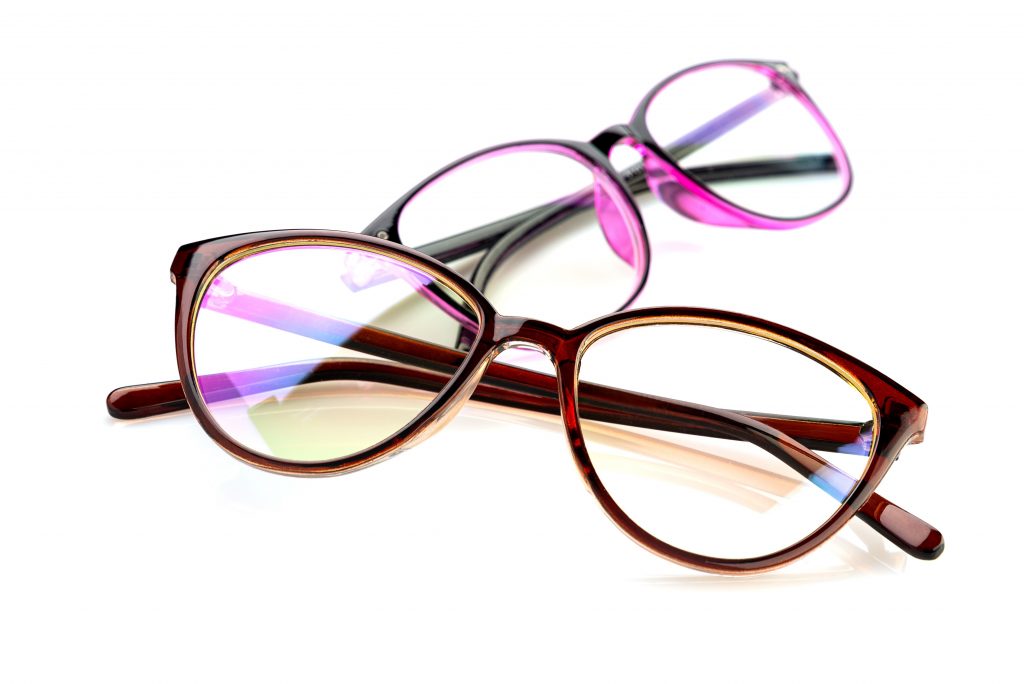
No single lens works for everyone.
When choosing new lenses, think about:
– Your Daily Routine
Someone glued to a computer all day has different visual demands than someone who’s mostly outdoors.
– Your Prescription
Stronger prescriptions often benefit from thinner, high-index materials.
– Lens Coatings
Depending on how you use your glasses, glare-reducing or scratch-resistant coatings can make a real difference in long-term satisfaction.
– Your Budget
Higher-end lens options add extra comfort, but standard lenses still work well for plenty of people.
Talking through your lifestyle with an eye care professional makes it much easier to land on the right lens choice.
Myths About Replacing Your Lenses
– “If My Frames Look Fine, My Vision Must Be Fine Too”
Your frames and your prescription aren’t connected. Your eyesight can change even while your glasses still fit perfectly.
– “A Few Scratches Won’t Matter”
Small scratches scatter light and reduce visual quality, particularly in bright sunlight or after dark.
– “Only Older Adults Need Prescription Updates”
Vision can shift at any age because of work habits, health issues, or natural changes in the eyes.
That’s why regular eye exams stay important throughout adulthood.
When Is It Actually Time to Replace Your Lenses?
There’s no one-size-fits-all timeline for replacement.
Still, it’s worth considering new lenses if:
– Your prescription has changed
– Your lenses are scratched
– You’re getting more headaches than usual
– Reading has become harder
– Night driving feels uncomfortable
– You notice ongoing blurry vision
Regular eye exams remain the clearest way to know if a replacement is due.
Frequently Asked Questions
1 – How often should I get new lenses for my glasses?
Most people need new lenses whenever their prescription changes or the lenses become scratched or worn. Regular eye exams help pin down the right timing.
2 – Can new lenses go into my current frames?
In most cases, yes. If your frames are in decent shape and compatible with the new lenses, many optical providers can fit new lenses without replacing the frames.
3 – Do new lenses actually reduce eye strain?
Correctly fitted lenses can lower focusing effort and improve comfort, especially during reading, computer work, and driving.
4 – Are anti-reflective coatings worth the cost?
They can be — AR coatings cut glare, which is especially useful during night driving and long stretches of screen time.
5 – Can scratched lenses hurt my vision?
Yes. Scratches scatter light, which lowers contrast and increases glare, making vision feel less comfortable overall.
6 – Will new lenses help with night driving?
If glare is coming from an outdated prescription or worn lenses, replacing them may help. Ongoing night-vision problems, though, should be checked out by an eye care professional.
7 – What’s the real difference between new lenses and new frames?
Frames are mostly about fit and style, while lenses determine how clearly you actually see. Updating lenses usually delivers a bigger visual payoff than new frames alone.
Final Thoughts
Getting new lenses for your existing frames is often one of the easiest ways to improve everyday visual comfort without buying an entirely new pair of glasses. An updated prescription, modern lens materials, and advanced coatings can all work together to sharpen your vision, ease eye strain, and support you through daily activities.
Lenses alone can’t prevent every eye condition, but they play a major role in keeping your vision comfortable and effective. Paired with regular eye exams and healthy visual habits, the right lenses can keep your eyesight clear and comfortable for years to come.
