

What’s the best type of sleep mask for your sleep style?

There’s no single best sleep mask, there’s a best mask for how you actually sleep. The short answer: side and stomach sleepers do better with a flat, softly padded design, back sleepers get the most out of a contoured or weighted mask, and anyone protecting lash extensions or fighting anxiety-driven insomnia should prioritise eye cavity depth over everything else. The rest of this guide breaks down why, mask type by mask type.
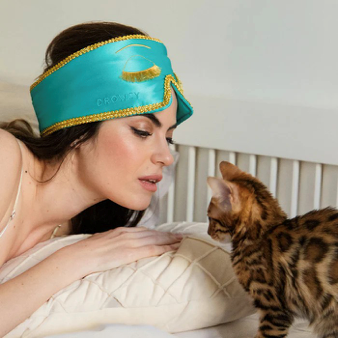
The four sleep mask types, compared
Material is a separate decision layered on top of shape. A women’s sleep mask built from mulberry silk stays cooler and glides against skin rather than dragging it, which matters most for side sleepers whose face presses into the mask for hours, while cotton and synthetic blends trap heat and can leave creases by morning.
Which type actually suits a side sleeper?
Flat, generously padded masks win here, and it isn’t close. Contoured cups create a hard edge that digs into the pillow and the cheekbone the moment you roll onto your side, while a soft padded design flexes with the face instead of fighting it. Look specifically for a mask with a deep, cushioned profile rather than a thin flat strip, since the padding is what keeps light out once the rigid shape of a contoured mask is off the table.
What about back sleepers?
Back sleepers have the most freedom, and this is where contoured and weighted masks genuinely shine. A contoured cup creates a small air pocket over the eyes, so lashes, eye creams and even lash extensions stay untouched all night, something a flat mask cannot promise. Weighted masks add a different benefit entirely: gentle, even pressure across the face that many people with stress-related or anxiety-driven insomnia describe as calming, similar in feeling to a weighted blanket but localised to the eyes and brow.
Does lash extension or eye makeup protection change the answer?
Yes, and it overrides sleep position for a lot of people. Flat masks, silk included, compress against the lash line over a full night and gradually damage extensions that cost real money to maintain. Anyone with extensions or a heavy overnight eye routine should prioritise a contoured or hybrid design with genuine eye cavity depth, even if it means giving up some of the side-sleeper comfort of a flatter mask.
Where does a face-hugging padded design fit in?
A newer hybrid category splits the difference: deep, structured padding that curves around the eye socket without a hard contoured shell. Drowsy’s silk sleep mask is a well-known example of this approach, using a face-hugging padded cocoon shape in mulberry silk rather than the moulded cups of a true contoured mask. The trade-off is fairly clear: less rigid eye clearance than a dedicated contoured design, but noticeably more adaptable across sleep positions than either a flat mask or a stiff-shelled one, which is why this category tends to suit people who don’t fit neatly into one sleeping position.
Quick answers to common questions
Do contoured masks actually block more light than flat ones? Not automatically. Blackout depends more on how well the mask seals around the nose and temples than on whether the eye area is flat or cupped; a well-fitted flat mask can outperform a loosely fitted contoured one.
Can you combine a weighted mask with silk? Yes, several hybrid designs layer glass beads or fill inside a silk shell, giving the calming pressure of a weighted mask with the skin comfort of silk, though they tend to sit at the higher end of the price range.
How often should a sleep mask be replaced? A well-made silk mask with proper hand-washing care typically holds its shape and padding for one to two years; synthetic budget masks usually flatten and lose elasticity within a matter of months.
So which one should you actually buy?
Match the mask to the constraint that matters most in your own routine, not to whichever one is trending. Side or stomach sleepers should default to a soft padded or hybrid design. Back sleepers protecting lashes or makeup should go contoured. Anyone whose sleep problem is more about a racing mind than ambient light should weigh a weighted mask. And if none of those constraints apply, a well-made padded silk mask remains the safest all-round choice, since it performs reasonably well across every position without excelling narrowly in one.
