

How AI Image and Video Generators Are Transforming Fashion Content Creation

The fashion industry has always lived and died by its visuals. From runway photography to lookbooks, editorial spreads to social media reels, the power of a striking image or a well-cut video can make or break a designer, model, or brand. But in 2026, the tools shaping fashion content aren’t just cameras and editing suites — they’re AI generators that let creators visualise entire collections, styling concepts, and campaign videos in minutes.
For fashion enthusiasts, aspiring models, stylists, and industry professionals building portfolios and mood boards, this shift is genuinely exciting. Whether you’re studying runway techniques, curating inspiration for a shoot, or building your presence as an emerging creative, understanding the new generation of AI tools can dramatically expand what’s possible.
Why Fashion Content Is Being Rebuilt Around AI
Fashion moves fast. A trend surfaces on a Paris runway on Monday and floods TikTok by Wednesday. Traditional content production — shoots, editing, retouching — simply can’t keep up with the pace at which style conversations happen online. That’s why fashion creators are increasingly turning to AI to prototype ideas, generate reference visuals, and even produce finished editorial content.
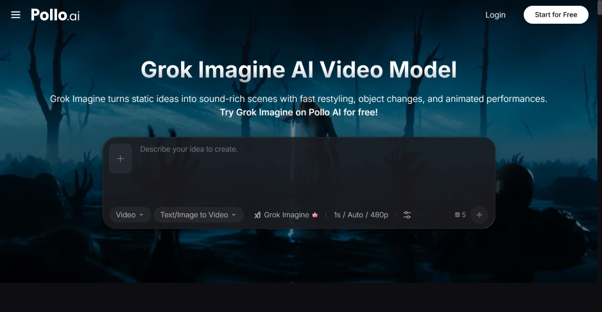
One of the most exciting entries in this space is Grok Imagine, a video generation model that has quickly gained traction among fashion creators for its ability to produce cinematic, style-forward video clips from simple prompts. Where earlier AI video tools struggled with coherent motion or realistic textures, Grok Imagine delivers fluid movement, believable fabric behaviour, and the kind of atmospheric lighting that fashion content demands. For anyone building a mood reel, visualising a campaign concept, or experimenting with runway-inspired video content, it’s become a genuinely useful tool.
The Rise of Artistic AI Image Generators
Alongside video, AI image generation has matured into a legitimate creative medium in its own right. Fashion illustrators, stylists, and editorial creators are using AI not to replace photography, but to explore ideas that would be prohibitively expensive to shoot — surreal locations, impossible silhouettes, avant-garde styling concepts, dreamlike editorial aesthetics.
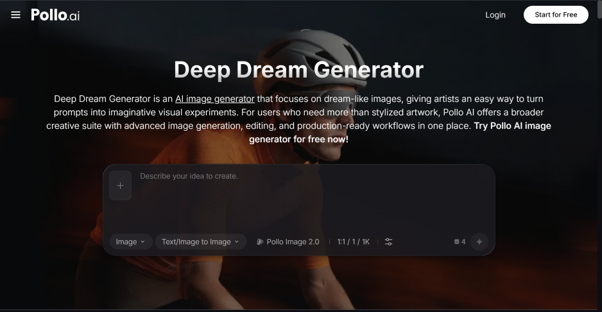
Deep Dream Generator has carved out a distinct niche here. Rather than aiming for photorealism, it leans into painterly, dreamlike, and highly artistic visuals — perfect for fashion creators who want to build mood boards with a strong artistic point of view. Think editorial concepts inspired by surrealism, high-fashion illustrations with an ethereal quality, or campaign references that push beyond conventional photography. For students of fashion history, stylists exploring their aesthetic voice, or content creators wanting distinctive visuals, this kind of tool offers something genuinely different from the increasingly uniform look of mainstream AI image models.
Building a Complete Fashion Content Workflow
The most interesting shift in 2026 isn’t any single tool — it’s how creators are combining them. A typical modern workflow for a fashion content creator might look like this:
Concept phase. Use artistic image generators like Deep Dream Generator to develop the aesthetic direction — mood, colour palette, atmosphere, styling references.
Visualisation phase. Generate detailed reference images of specific looks, poses, and settings to guide either a real shoot or further AI production.
Motion phase. Use video generators like Grok Imagine to bring key concepts to life — runway walks, campaign moments, editorial motion pieces.
Refinement phase. Edit, enhance, and polish the final content for portfolio, social media, or client presentation.
This kind of workflow used to require a team of collaborators, expensive location shoots, and weeks of coordination. Today, a single creator with a clear vision and the right tools can produce content that rivals what small agencies were delivering just a few years ago.
Practical Applications for Fashion Creators
Here’s how creators across the fashion space are actually using these tools:
Runway analysis and study. Recreate iconic runway walks or styling moments to study composition, movement, and silhouette in ways that static photos can’t capture.
Portfolio building. Aspiring stylists and creative directors can build conceptual portfolios without waiting for paid shoots — showing what they’d do rather than what they’ve already done.
Mood boards and pitch decks. Instead of pulling reference images from Pinterest, generate custom visuals that match your exact vision, giving pitches a distinctive and cohesive feel.
Social media content. Produce editorial-quality visuals and short-form videos consistently, without the logistical overhead of constant shoots.
Trend experimentation. Test styling concepts and aesthetic directions quickly before committing to a full production.
Educational content. Fashion educators and history enthusiasts can visualise historical periods, iconic collections, and stylistic movements in vivid detail.
Best Practices for Getting the Most Out of AI Fashion Tools
A few things that consistently separate great AI-generated fashion content from generic output:
Get specific with your prompts. Vague inputs produce vague results. Reference specific eras, designers, fabrics, silhouettes, and lighting styles to guide the AI toward your actual vision.
Develop your own aesthetic voice. The tools are powerful, but they don’t have taste — that’s your job. Curate carefully and edit ruthlessly.
Combine tools rather than relying on one. Different models excel at different things. Artistic generators for mood, cinematic generators for motion, refinement tools for polish.
Study the fundamentals. AI shortcuts execution, but not understanding. The creators producing standout work still know composition, colour theory, fabric behaviour, and fashion history deeply.
Final Thoughts
The fashion industry has always rewarded creators who could see what others couldn’t and translate that vision into images the world remembers. In 2026, the tools for realising those visions have never been more accessible. Whether you’re studying runway craft, building a styling career, or simply passionate about fashion as an art form, the combination of platforms like Grok Imagine and Deep Dream Generator opens creative doors that used to require budgets most people never had.
The technical barrier is gone. What’s left is vision, taste, and the willingness to keep creating.
