

Beyond Leather: The Materials Redefining Modern Accessories

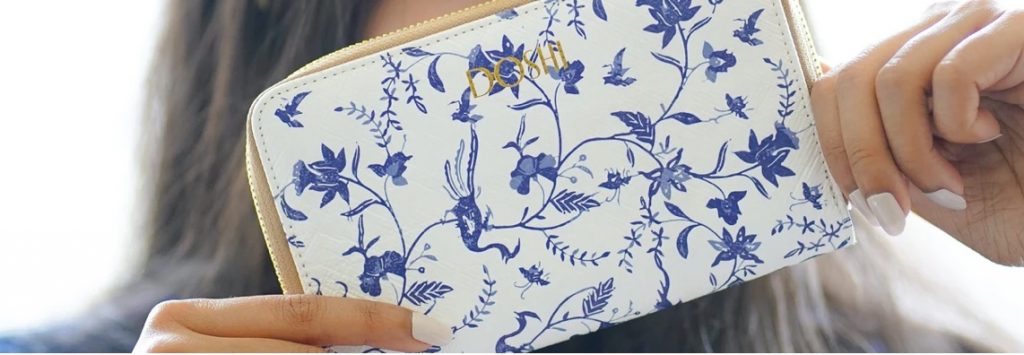
A belt draws a clean line through a tailored outfit. A textured bag brings interest to a simple coat. A wallet reveals its quality each time it is opened. Accessories may be small, but their materials shape both the way they look and the way they become part of everyday life.
Leather has long been a familiar choice for these pieces. Today, designers have a broader palette: engineered microfiber, pineapple-leaf textiles, kraft paper and materials grown from mycelium. Each offers a different balance of texture, structure and function, opening up new possibilities for accessories without animal hide.
Understanding those differences is more useful than treating every alternative as the same material.
A broader meaning of vegan leather
“Vegan leather” describes a category rather than a single composition. It can refer to synthetic materials or composites incorporating plant-derived ingredients. The label alone says little about how an accessory will feel, wear or be made.
That distinction matters when comparing products. A smooth belt and a softly structured tote have different demands, even if both are described as vegan. Equally, animal-free does not automatically mean plastic-free, biodegradable or environmentally preferable in every respect. The material’s ingredients, production and useful life deserve closer attention.
Microfiber and the everyday accessory
Polyurethane (PU) is widely used in vegan leather, but the label covers materials with very different levels of quality. Some are prone to peeling, scratching or cracking, while well-engineered versions can withstand demanding everyday use. Two accessories described as “PU leather” may therefore perform very differently.
One important difference lies beneath the surface. Conventional PU synthetic leather often uses a woven textile backing, such as cotton or polyester. Microfiber-based alternatives use a different structure, designed to offer more substantial support. A woven backing is not automatically a sign of poor quality, but the type and construction of the base affect how the finished material behaves.
Microfiber vegan leather uses a dense, nonwoven network of very fine fibers, typically combined with polyurethane. This structure can provide strength, flexibility and resistance to tearing, making it useful for accessories that are repeatedly bent or handled. The backing is an important part of the quality difference, alongside the PU formulation, the bond between layers and the surface finish.
Pineapple-leaf fibers with a distinct character
Some alternatives invite designers to explore a visibly different surface. Piñatex, developed by Ananas Anam, uses fibers from pineapple leaves, an agricultural by-product. Its textured appearance offers an alternative to the uniform grain associated with many leather accessories.
That character can become part of a design: a simple bag silhouette allows the surface to take the lead, while restrained hardware keeps the composition balanced. Rather than requiring elaborate decoration, the material itself supplies visual interest.
The full composition still matters. Piñatex formulations include other components, and finishes vary between collections; the manufacturer identifies a polyurethane coating in its Original and Mineral materials. A pineapple-derived ingredient should therefore not be read as a promise that the finished accessory is entirely plant-based or biodegradable.
Kraft paper beyond packaging
Paper may seem an unexpected choice for an accessory worn every day. Yet kraft paper can move beyond packaging into bags, wallets and even belts, bringing a distinctive texture to familiar shapes.
Doshi, for example, uses kraft paper across bags and wallets, and incorporates it into its range of vegan belts. Its kraft paper belt combines the material with microfiber, showing how different components can work together within one design.
The appeal lies partly in the surface itself: its textured character gives a simple accessory visual interest without elaborate decoration. As with other composite materials, the full construction matters when assessing durability and what happens at the end of its useful life.
Mycelium and the possibilities of grown materials
Mycelium, the branching network produced by fungi, offers another route to accessory materials. Companies such as MycoWorks cultivate it under controlled conditions to produce materials intended for fashion and other design applications. Its Reishi material is one example of this approach.
For designers, the interest lies in how a grown structure can be developed into a usable surface with a particular feel and appearance. For shoppers, the useful questions remain practical: what is the finished composition, how should it be cared for, and what evidence supports its suitability for the product?
A compelling origin story is a starting point. An accessory also has to perform through repeated handling, bending and use.
Choosing beyond the label
A well-chosen accessory starts with its role in a wardrobe. A work belt needs an appropriate fit and secure fastening. A daily bag needs comfortable handles and dependable seams. A wallet needs to accommodate its contents without unnecessary strain.
Material information helps make those choices more informed. Look for a clear composition, care instructions and specific explanations of any environmental claims. Consider the construction alongside the surface, from lining and stitching to hardware and edge finishing.
The wider choice of materials gives modern accessories room to develop their own identities. A smooth microfiber belt, a textured pineapple-leaf bag and a kraft paper wallet each offer a different way to finish an outfit. Their appeal rests in how thoughtfully the material, design and everyday purpose come together.
