

How Lab-Grown and Mined Stones Differ in Eco-Conscious Jewelry Buying
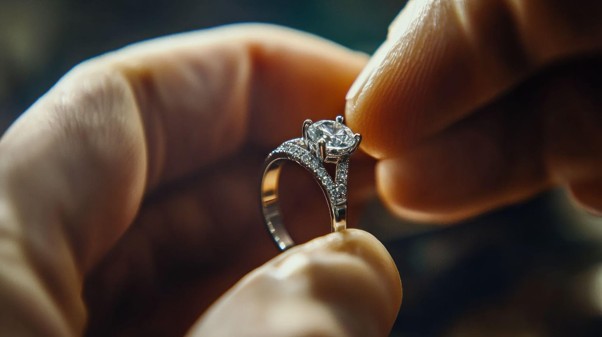
Environmental considerations are becoming part of how some shoppers evaluate fine jewelry. Beyond a diamond’s appearance, buyers may want to understand how it is produced, where its materials come from, and what resources are involved in bringing it to market. These questions make lab grown vs mined diamonds an important comparison for anyone looking to make a more informed jewelry purchase.
Both options have different production processes and environmental considerations. Lab-grown diamonds are created in controlled facilities, while mined diamonds are recovered from the earth. Understanding the differences in energy use, land disturbance, water management, and sourcing can help you assess each option without relying on broad sustainability claims.
How Are Lab-Grown and Mined Diamonds Produced?
Lab-grown diamonds are created using two main methods: High Pressure High Temperature (HPHT) and Chemical Vapor Deposition (CVD). Both methods recreate the conditions needed for diamond growth in a controlled environment. The resulting stones are real diamonds with the same essential chemical, physical, and optical properties as mined diamonds.
Mined diamonds are recovered through mining operations, which may involve open-pit or underground extraction. The rough stones are then sorted, cut, and polished for jewelry. Each route requires energy, equipment, and other resources, but the types and scale of their environmental impacts differ.
Lab-Grown vs Mined Diamonds: Comparing Their Environmental Impact
When comparing lab grown vs mined diamonds, it helps to look beyond the production method and consider the resources involved.
– Energy consumption: Lab-grown diamond production requires substantial electricity to maintain the conditions needed for crystal growth. Its environmental impact depends partly on the energy source used. Mining also consumes energy through excavation, transportation, and processing.
– Land use: Diamond mining can involve significant excavation and changes to local landscapes. Lab-grown production takes place in industrial facilities and does not require diamond extraction from the ground.
– Water and waste: Mining operations need water management and responsible handling of waste rock and tailings. Lab-grown production also uses materials and resources that need to be considered.
– Carbon emissions: Emissions vary with electricity sources, production efficiency, mining practices, and location. A comparison needs to account for these differences.
Lifecycle assessments can provide a more complete picture by examining impacts across different stages of production. Without comparable data and clear assumptions, it is difficult to make a universal claim that one option has a lower environmental footprint in every situation.
What Does Canada’s Diamond Industry Tell Us?
Canada remains an important source of mined diamonds. According to Natural Resources Canada, the country produced 13.3 million carats of rough diamonds in 2024, accounting for approximately 12.3% of global production by volume. This placed Canada fourth among diamond-producing countries that year.
These figures show the scale of Canada’s diamond-mining industry and why responsible extraction practices matter. They do not measure the environmental impact of each carat, but they provide useful context when considering the land, energy, and waste management involved in mining.
Sourcing and Production Practices Matter
The environmental side of lab grown vs mined diamonds also depends on the practices behind each stone. For lab-grown diamonds, buyers can ask about the electricity used during production and whether the manufacturer provides information about its energy sources. For mined diamonds, sourcing transparency can help shoppers understand where a stone originated and what standards apply to its extraction.
Look for clear product information and evidence supporting environmental claims. Back terms such as „sustainable“ and „eco-friendly“ with specific details rather than treating them as guarantees. You can also explore nature inspired diamond rings if you prefer designs that draw on organic shapes and natural forms.
What Else Should You Consider When Buying Eco-Conscious Jewelry?
Diamond origin is one part of a jewelry purchase. The precious metal, manufacturing process, craftsmanship, and expected lifespan of a piece also deserve attention. Consider these questions before making a decision:
– Does the seller clearly disclose whether the diamond is lab-grown or mined?
– Is information about its production or origin available?
– Are environmental claims supported by credible evidence?
– Is the precious metal’s source or composition clearly identified?
– Is the design suitable for long-term wear and care?
When weighing lab grown vs mined diamonds, consider the information available for the individual stone rather than assuming every diamond produced through the same method has an identical impact. Personal preferences, budget, design, and transparency all have a role in the decision.
For more design inspiration, read nature inspired rings that aren’t twig bands elegant options for minimalists. It explores ways to bring nature-inspired details into jewelry without relying on overly elaborate designs.
Make an Informed Choice When Buying Diamond Jewelry
Choosing between lab-grown and mined diamonds involves more than comparing their appearance. Their production methods have different environmental considerations, and factors such as energy sources, land use, and sourcing practices can influence their overall impact. Understanding lab grown vs mined diamonds helps you ask more useful questions and evaluate the information available.
At Jewel Nests, you can explore engagement rings featuring premium lab-grown diamonds, thoughtfully crafted in Canada with transparent direct-to-consumer pricing. Each design brings together attention to detail, quality craftsmanship, and distinctive style. Take time to find a stone and setting that reflect your preferences and priorities. With the right choice, you can celebrate your story with a beautiful ring that holds meaning for years to come.
