


The Evolution of the Pump: From Court Shoe to Fashion Icon
Why a simple shoe deserves a closer look
We often judge a shoe before we take a single step. A slim heel feels dressy; a round toe seems soft and familiar. Yet few of us stop to ask how those small details gained their meaning. Pumps are a good place to start. Their shape looks simple, but changes in heels, toes, and dress codes tell a much bigger story. We may know them as shoes for work or formal events. That view leaves out much of their appeal. To see why they last, we need to look past heel height and notice how the whole shoe works. Even a plain pair can shift the feel of clothes we already own, with no need for a whole new wardrobe.
We can trace that story through changes in fashion, then use what we learn to choose more wisely. As we explore options including designer pumps, the aim is to understand shape, fit, and wear. We will look at what defines a court shoe, why slim heels changed its image, and which details matter today. Valentino Garavani pumps belong within this wider story of a familiar shoe taking on fresh forms. We will also cover checks that help us move beyond looks alone. After all, a shoe needs to suit our feet as well as our taste. By the end, we can read those small design choices with more care and find a pair that earns its place in our closet through frequent wear, rather than one brief outing each year.
What changed as the court shoe became a modern pump
In British usage, a court shoe is what Americans commonly call a pump. The classic shape has a closed toe, a low opening, and no laces. Its heel can vary, so a pump need not have a towering stiletto. That distinction helps you read its history without treating every high heel as the same shoe. The basic shape gives designers room to change the toe, heel, and upper.
The 1950s brought a major shift as thin stiletto heels gained ground. Metal reinforcement helped support heels that looked far slimmer than earlier forms. Paired with pointed toes, they gave pumps a sharp new outline. Yet the stiletto never became the only version worth wearing. Lower heels and broader shapes kept offering different ways to wear the same basic style. Today, that range lets you choose the look without accepting one fixed height.
– Check the opening to see how much of the foot shows.
– Notice how toe shape changes the shoe’s outline.
– Compare heel width as well as heel height.
– Look at the full shape from the side.
Why pumps keep finding a place in changing wardrobes
Pumps leave much of the top of your foot visible, which gives them a light outline. That open space helps explain why the same shape can work with different hems. A pointed toe extends the line of the shoe, while a round toe softens it. Neither choice makes an outfit good or bad by itself. The effect depends on the clothes, the fit, and what you enjoy wearing. You get more use from understanding those details than from chasing each new trend.
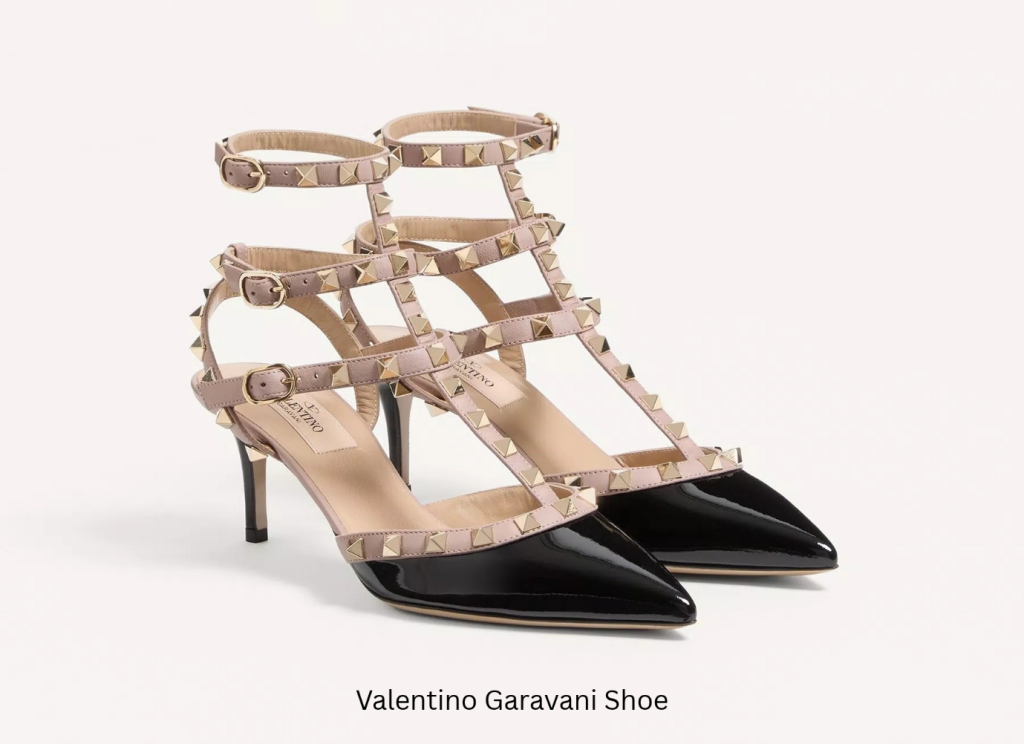
Color and surface change the mood without changing the basic form. A glossy finish catches light, while a matte surface draws less attention. Studs, bows, and straps can make a familiar shape feel more distinct. Valentino Garavani pumps offer another way to explore how details shape that impression. Still, a strong design should work with your clothes and your pace. Let one feature lead, then judge whether the rest feels balanced.
– Use toe shape to echo or soften clean clothing lines.
– Choose color with your most worn clothes in mind.
– Treat shine as part of the outfit’s overall effect.
– Leave space for one detail to draw the eye.
How to choose pumps you will want to wear
Start with your day, then narrow the choices by fit, heel, and shape. These three checks help you judge what suits your feet before looks take over.
1 – Check the fit before the size label
Try both shoes, since your feet may differ slightly in size. Your toes need room without being pushed together or pressed against the front. Walk and turn to check whether your heels lift out. A larger size alone may fail to fix a narrow toe box
2 – Match the heel to your plans
Think about how long you expect to stand and walk that day. A broad heel gives you a wider base, though fit still matters. Check the slope beneath your foot, since height alone tells only part of the story. Choose a shape that lets you take steady steps.
3 – Judge the whole shoe while moving
Stand, walk, and turn instead of judging the pair only while seated. Notice whether an edge rubs or a strap pulls as you move. Check how the shoe feels with the hosiery you plan to wear. Avoid counting on future wear to fix a poor fit.
How we can make the next pair count
We can appreciate the pump’s history without treating it as a rule book. Its lasting appeal comes from a clear shape that allows many choices. Heel width, toe shape, color, and fit each change what we see and feel.
Our next step can be simple: look through the clothes we wear most, then decide what a new pair should add. We can explore Valentino Garavani pumps with those needs in mind and take time to compare shapes. The best choice should feel like part of our style and suit the way we move. Before choosing, walk, turn, and check the fit. Let that final test guides the pair we bring home.
