

Pro-Xylane explained: the skincare ingredient behind firmer-looking skin

Ingredient names can sound more decisive than they are. A serum’s results depend on the whole formula, including its texture, concentration, vehicle, supporting humectants and the way it is used. Pro-Xylane is a skincare ingredient often associated with firmer-looking skin, yet its role is cosmetic and formula-dependent. Understanding its sugar-derived origin helps separate credible product information from broad anti-ageing language. It also makes claims about comfort, hydration and wrinkle appearance easier to read with a critical eye.
Pro-Xylane is the trade name for Hydroxypropyl Tetrahydropyrantriol, a xylose-derived cosmetic ingredient used in formulas aimed at hydration, comfort and firmer-looking skin. It is applied as part of a finished serum or cream, not on its own. Visible results vary with the formula, use period and the test used to support its claims.
What is Pro-Xylane, the skincare ingredient found in firming formulas?
Pro-Xylane is the commercial name commonly used for Hydroxypropyl Tetrahydropyrantriol. It is made from xylose, a sugar found in plant material, then transformed into a stable cosmetic raw material. In an ingredients list, it may appear under its International Nomenclature of Cosmetic Ingredients name rather than its trade name.
Its interest lies in its relationship with the skin’s hydrated support environment. Skin contains water-binding molecules, structural proteins and cells that produce them. A topical product cannot be reduced to one of those systems, but ingredients may be selected to support a more hydrated, cushioned and smoother-looking surface.
That distinction matters when reading labels. Consumers do not apply a pure active ingredient at a laboratory dose. They apply an emulsion, gel or serum designed around preservation, pH, sensory feel, stability and compatibility with other ingredients. Glycerin, hyaluronic acid, silicones, oils and film-formers can all affect the immediate look and feel of the skin.
How does Pro-Xylane relate to glycosaminoglycans and the extracellular matrix?
The skin’s extracellular matrix is the network surrounding its cells. It includes collagen and elastic fibres, along with proteoglycans and glycosaminoglycans. These long sugar chains hold water and help create the hydrated environment that gives skin a supple appearance.
Glycosaminoglycans (GAGs) include hyaluronic acid, heparan sulfate, chondroitin sulfate and keratan sulfate. Fibroblasts, which are connective-tissue cells in the dermis, participate in maintaining components of this matrix. With age and repeated environmental exposure, the visible surface may appear less plump, less even and marked by more persistent lines.
Research and brand literature commonly discuss Pro-Xylane in connection with these matrix components. The proposed mechanisms often come from laboratory models, which can clarify biological pathways without predicting an identical outcome on every face. Finished-product evidence remains more useful for a shopper assessing a cosmetic claim.
A brand account of the science behind Pro-Xylane presents the ingredient as the result of research into sugar-derived skincare materials. That framing is useful as background, provided that branded ingredient research is distinguished from independent testing of a final product.
The practical effect is usually described in appearance-based terms. Better surface hydration can make fine lines look softer for a time. A comfortable, well-moisturised complexion can also look denser and more toned, especially when dryness had made texture seem rougher.
Which Pro-Xylane benefits can cosmetic efficacy testing support?
Pro-Xylane benefits are generally communicated through signs that can be seen or felt: smoother texture, improved comfort, greater hydration, firmer-looking skin and a reduced wrinkle appearance. Those are legitimate cosmetic endpoints when they are worded carefully. They describe an observed appearance rather than a treatment of a medical condition.
The useful question is how the claim was measured. Instrumental assessments can track hydration or changes in the skin surface. Expert grading may assess facial lines or perceived firmness. Consumer questionnaires add information about comfort and satisfaction, but they report perception rather than a clinical measurement.
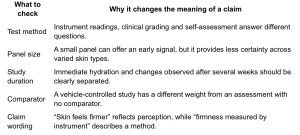
Cosmetic efficacy testing also has limits. Lighting, seasonal dryness, baseline skin condition and adherence to the routine can influence outcomes. A percentage figure without a method, participant number or timeframe gives little basis for comparison.
Look closely at qualifiers such as “appearance of wrinkles,” “visibly smoother” or “skin feels more comfortable.” Such language is not evasive when it matches the evidence. It sets a boundary around what a cosmetic formula can reasonably claim.
How does Pro-Xylane fit into an anti-ageing skincare routine?
A Pro-Xylane product can sit in either a morning or evening routine. A light serum is usually applied after cleansing and before moisturiser. A richer cream can take the moisturiser step itself, depending on its formula and the skin’s level of dryness.
In the morning, finish with a broad-spectrum sunscreen. Daily ultraviolet protection is relevant to any routine focused on the visible signs associated with skin ageing, because ultraviolet exposure contributes to uneven tone, surface dryness and the appearance of lines. Apply sunscreen as the final skincare layer before makeup.
At night, use the product after cleansing and before or instead of a moisturiser, according to its texture. If the routine also includes exfoliating acids or a retinoid, introduce products one at a time. This makes it easier to identify what suits the skin and what causes discomfort.
There is no need to layer several firming products at once. A consistent routine with a cleanser that does not leave skin tight, a moisturising formula and daytime sunscreen is easier to judge over several weeks. Patch testing remains sensible for anyone with reactive skin or a history of cosmetic intolerance.
What do readers ask about a Pro-Xylane skincare ingredient?
What is Pro-Xylane used for in skincare products?
Pro-Xylane is used in serums and creams marketed for hydration, comfort, smoother texture and firmer-looking skin. It is combined with other ingredients in a finished formulation. Its visible effect depends on the complete product and regular use, rather than the ingredient name alone.
What is the main ingredient in an anti-ageing cream?
There is no universal main ingredient in anti-ageing cream. Formulas may centre on humectants, emollients, retinoids, vitamin C derivatives, peptides, exfoliating acids or sunscreen filters. The most relevant choice depends on whether dryness, uneven tone, texture or the appearance of lines is the priority.
What is squalane?
Squalane is a stable, saturated emollient related to squalene, a lipid naturally present in human sebum. Cosmetic squalane is commonly sourced from plant-derived materials such as sugarcane or olives. It helps reduce the feeling of dryness and gives formulas slip, but it has a different role from Pro-Xylane.
What is the Japanese secret to anti-ageing?
There is no single Japanese secret to anti-ageing skincare. Japanese beauty routines often emphasise gentle cleansing, hydration and daily sunscreen, principles that are also supported by basic skin-care practice elsewhere. A routine’s consistency and tolerability matter more than a national label or a single hero ingredient.
Pro-Xylane is best understood as one component in a formula designed to improve the skin’s hydrated, comfortable appearance. Read the testing details, use the product consistently, and pair daytime skincare with sunscreen to assess its contribution fairly.
